The Association of Gaming Operators Kenya (AGOK) has proposed a unified 20% tax on gross gaming revenue (GGR) for land-based casinos, while calling on the government to retain existing online gambling taxes and clarify provisions affecting deposits, withdrawals and promotional bonuses.
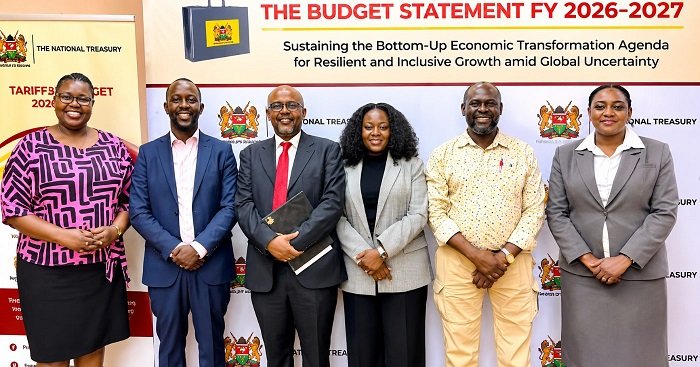
The recommendations were presented during discussions with the National Treasury and the Kenya Revenue Authority (KRA) as the government prepares for the Finance Bill 2027. AGOK Chief Executive Officer John Mutua said the association supports a taxation framework that enables efficient revenue collection while giving licensed gambling businesses greater certainty over their financial obligations.
The proposals cover three main areas: simplifying casino taxation, maintaining the current tax rates on online gambling transactions and clarifying provisions introduced under the Finance Act 2026. AGOK is calling for a standardized 20% tax on the gross gaming revenue of land-based casinos.
GGR refers to the amount an operator retains after deducting winnings paid to players from total wagers, before operating expenses are taken into account. The association argues that using GGR as the basis for taxation would simplify calculations, improve transparency and provide a more consistent method of determining casino tax liabilities.
According to Mutua, a unified rate would also make tax obligations easier to assess and verify, benefiting both operators and the authorities responsible for collecting revenue. AGOK believes the proposed framework could provide greater certainty for land-based casinos, which contribute to employment and economic activity in Kenya.
However, the 20% rate remains an industry recommendation and has not been adopted as government policy. While proposing changes to casino taxation, AGOK wants the government to maintain the existing tax arrangements for online gambling. The association supports retaining the 5% excise duty on online gambling deposits and the 5% withholding tax on withdrawals.
Mutua said maintaining these rates would provide stability for operators following several changes to Kenya’s gambling taxation framework in recent years. AGOK argues that frequent tax adjustments can create uncertainty for businesses, requiring them to revise financial plans and update their systems to meet new compliance requirements.
Retaining the current rates, the association believes, would allow operators to plan more effectively while supporting continued tax compliance and government revenue collection. The recommendation therefore seeks to revise the taxation approach for land-based casinos without changing the existing deposit and withdrawal tax rates for online gambling.
Another concern raised by the association relates to changes introduced under Kenya’s Finance Act 2026, particularly the definitions of deposits and withdrawals. AGOK says the amended provisions could be interpreted differently by operators and tax authorities, potentially resulting in inconsistencies in how taxable transactions are calculated.
Promotional bonuses are a particular area of concern. The association fears that broad interpretations of the definitions could bring certain deposit bonuses within the scope of taxation, creating additional obligations for operators. Mutua has called for clearer guidance to ensure that gambling businesses and the KRA apply the provisions consistently.
AGOK believes this would reduce uncertainty, minimize potential disputes and make it easier for operators to meet their tax reporting obligations. The association has also recommended greater use of independently recorded transaction data to strengthen gambling tax administration.
Online gambling deposits and withdrawals generate transaction records held by both licensed operators and mobile network operators. AGOK believes these records could be compared to verify reported transactions and identify discrepancies. According to Mutua, reconciling independently maintained records could help tax authorities confirm the accuracy of taxable deposits and withdrawals.
The approach could also improve compliance monitoring, reduce potential revenue leakage and limit disputes over reported amounts. The proposal reflects the importance of mobile money services in Kenya’s online gambling market, where digital payment channels facilitate customer deposits and withdrawals.
However, AGOK’s recommendation does not mean that a nationwide transaction verification system has already been introduced. AGOK’s proposals form part of wider industry discussions with government authorities on the future of gambling taxation in Kenya. The association is seeking a framework that balances government revenue objectives with the need for clear and predictable tax obligations for licensed operators.
Its recommendations include a unified 20% GGR tax for land-based casinos, retention of the existing 5% taxes on online gambling deposits and withdrawals, and clearer definitions of taxable transactions under the Finance Act 2026. For the National Treasury and KRA, the proposals provide industry feedback to consider as preparations for the Finance Bill 2027 continue.
The government has not yet indicated whether it will adopt the proposed casino tax rate or the association’s other recommendations. Any changes would be subject to the relevant legislative and administrative processes. As discussions progress, operators will be watching for the government’s response to calls for simpler casino taxation, clearer online gambling tax provisions and more consistent compliance procedures.