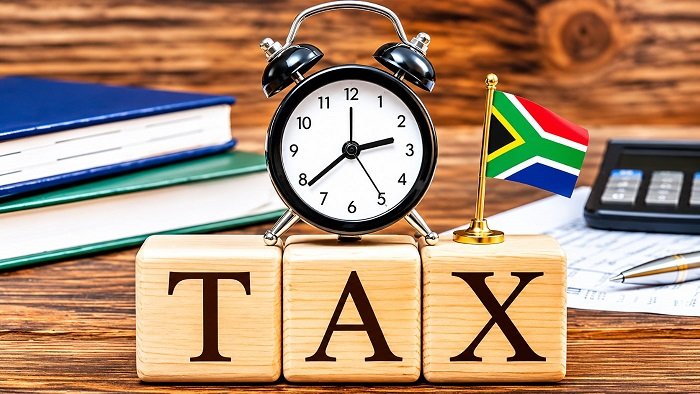
South Africa’s proposed 20% national tax on online gambling could increase the combined tax burden on licensed betting operators to nearly 40% of gross gambling revenue (GGR), according to legal experts. The National Treasury introduced the proposal in November 2025. It would impose an additional tax on revenue generated through online betting, including interactive gambling activities.
Industry specialists say the levy could significantly raise operating costs for licensed businesses, which already pay provincial gambling taxes and value-added tax (VAT). Gambling law specialists Garron Whitesman of Whitesmans Attorneys and Wayne Lurie of Lurie Inc Attorneys have questioned the proposal’s potential financial impact. They warn that it could affect the competitiveness and sustainability of regulated operators.
The proposal remains under consultation. The government is expected to provide further details about its final design in the February 2027 national budget. One of the main concerns is how the proposed national tax would add to operators’ existing tax obligations. Whitesman estimates that licensed online betting operators already pay provincial gambling taxes averaging approximately 6.5% of GGR.
Operators also face an effective VAT burden estimated at about 12% to 13% of GGR. Together, those obligations amount to an estimated tax burden of between 18% and 19% of GGR. The proposed additional 20% national levy could bring the combined burden to approximately 38% or 39%.
Lurie, who is also chief executive of the Safe and Responsible Online Gambling Association (SAROGA), has similarly estimated that the overall burden could approach 40% when VAT is included. These figures are estimates of cumulative tax obligations, rather than a single statutory rate that would apply to every operator. Industry legal experts have expressed concern that the proposed tax could create further financial challenges for licensed gambling operators.
A central issue is that the levy would be calculated on gross gambling revenue rather than net profit. GGR is the amount an operator retains after paying winnings to players, but before deducting expenses such as staff salaries, technology infrastructure, marketing and regulatory compliance.
As a result, operators could face substantial tax liabilities even when their actual profit margins are relatively limited. Whitesman has called for a careful assessment of whether the additional tax would achieve its intended objectives without undermining the regulated gambling industry. Lurie has also raised concerns about the possible consequences of imposing a significantly higher tax burden on businesses operating within South Africa’s established legal framework.
The experts argue that policymakers should consider the wider economic and regulatory implications before introducing the measure. The National Treasury’s proposal is intended to generate additional public revenue while addressing concerns about the social consequences of excessive gambling. Estimates referenced in discussions of the proposal suggest that the 20% national levy could raise approximately R10 billion a year.
The government has presented the tax as a potential way to discourage harmful gambling behavior and respond to the wider social costs associated with gambling. However, industry stakeholders have questioned whether higher taxation would effectively reduce gambling-related harm. They have also warned that higher costs for licensed operators could affect the competitiveness of regulated gambling services.
The debate highlights the challenge of balancing government revenue objectives and consumer protection with the financial sustainability of the licensed gambling market. Industry experts have also raised the possibility that higher taxes could encourage some gambling activity to shift to unlicensed offshore platforms.
Licensed South African operators must comply with regulatory requirements, including taxation, licensing conditions and consumer-protection obligations. Unlicensed offshore businesses may operate outside these requirements, potentially allowing them to offer products under different commercial conditions.
Industry specialists warn that significantly increasing the financial obligations of licensed operators could weaken their ability to compete with illegal alternatives. This could make it harder for regulators to oversee gambling activity and protect consumers.
However, it remains uncertain how the proposed tax would affect customer behavior. No evidence has yet established that the levy would directly cause a measurable increase in illegal gambling participation.
The proposed tax comes as South Africa’s gambling industry continues to grow. According to figures in the National Gambling Board’s 2025/2026 annual report, gross gambling revenue rose from R74.5 billion in the previous financial year to approximately R84.46 billion, an increase of nearly R10 billion. Industry taxes and levies also increased, from R5.81 billion to approximately R6.45 billion. Meanwhile, total gambling turnover rose from R1.5 trillion to R1.76 trillion.
These figures cover the broader regulated gambling industry, not online betting alone. They show the growing financial scale of gambling in South Africa and provide context for the government’s consideration of additional taxation.
However, growth in industry revenue does not necessarily mean that individual operators have seen an equivalent increase in profitability. The National Treasury introduced the proposed gambling tax in a discussion paper published on November 25, 2025.
The public consultation process closed in February 2026, giving stakeholders an opportunity to submit comments on the proposed framework. During the Medium-Term Budget Policy Statement on October 21, 2026, Finance Minister Enoch Godongwana confirmed that consultations on the measure were continuing. Discussions include the proposed tax’s structure, its interaction with existing gambling regulations, and its implications for provincial governments and licensed operators.
The government is expected to provide further clarity on the levy’s final design in the February 2027 budget. The proposal would still require legislative approval before it could be implemented. The additional 20% national gambling tax has therefore not yet become law. The proposed tax has intensified discussion about the future taxation of South Africa’s online betting industry.
The National Treasury is considering the levy as a way to raise additional revenue and address gambling-related social concerns. Legal experts, meanwhile, warn that the cumulative tax burden could create challenges for licensed operators. The possibility of a combined burden approaching 40% of GGR has raised questions about profitability, competitiveness and the effectiveness of existing regulatory safeguards.
For gambling operators, the outcome of the consultation process will help determine their future financial obligations and inform business planning.
For policymakers, the challenge will be to meet public policy objectives without unintentionally weakening the regulated market.
With further details expected in February 2027, South Africa’s gambling industry will be watching the government’s next steps as discussions over the proposed national levy continue.