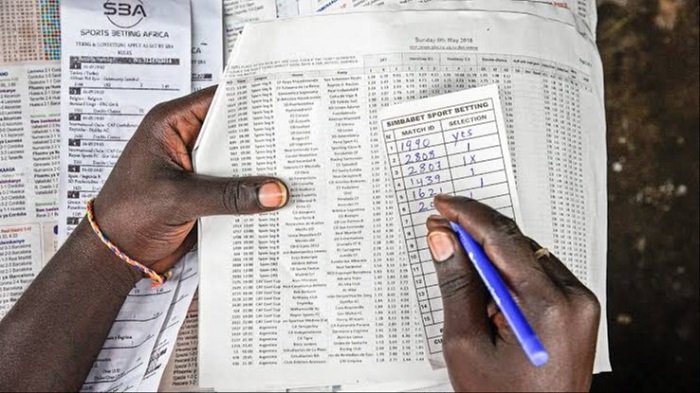
Online sports betting is becoming an increasingly accessible form of entertainment in Zambia, but concerns are growing over its potential financial and social consequences for young people facing unemployment, low incomes and rising living costs.
With a smartphone, mobile money access and a relatively small stake, users can place bets with the possibility of winning significantly more than they invest. For some young Zambians, sports betting offers entertainment and an opportunity to follow their favorite football teams. For others, it may appear to provide a way to supplement limited incomes or cope with financial pressures.
However, the prospect of turning a small amount, such as K10, into hundreds or thousands of kwacha can create unrealistic expectations about the likelihood of winning, particularly as most bets result in losses.
The popularity of football, wider access to mobile money services and the continued promotion of betting platforms have made online gambling easier to access. Mobile devices allow users to place bets at almost any time, potentially making it more difficult for individuals vulnerable to excessive gambling to manage their spending.
Health experts warn that repeated gambling can develop into harmful behavior, particularly when players attempt to recover previous losses by placing additional bets.
Such patterns can contribute to financial difficulties, including borrowing and debt, as well as anxiety, strained family relationships and other mental health challenges.
Young people experiencing economic hardship may be particularly vulnerable when they begin to view betting as a potential source of income rather than a form of entertainment.
The growing accessibility of sports betting raises questions about whether existing safeguards are sufficient to protect young people from gambling-related harm.
Potential measures include stronger controls on betting advertisements, improved public education on gambling risks and greater efforts to promote responsible gambling among young audiences.
Schools could also play a role by introducing awareness programmes that explain the risks associated with gambling, the likelihood of financial losses and the importance of making informed decisions.
For betting operators, the discussion highlights the importance of responsible marketing, age verification and measures that help identify and support customers showing signs of harmful gambling behavior.
As online betting becomes more visible in Zambia, the challenge is to balance the development of the gambling industry with the need to protect consumers, particularly young and financially vulnerable people.
The debate also points to wider socioeconomic pressures, including unemployment and the rising cost of living, which may influence why some young people are attracted to betting.
Ultimately, addressing gambling-related harm will require attention not only to operator practices and regulatory safeguards but also to public awareness and the economic circumstances that can make the promise of quick winnings appealing.
The central question remains whether sports betting is being treated primarily as entertainment or increasingly viewed by some young people as a possible escape from financial hardship.