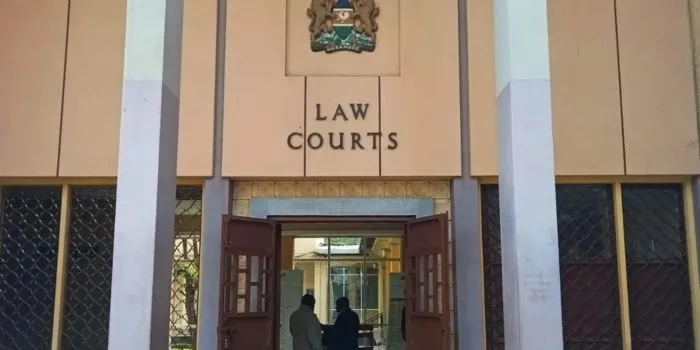
Gambling companies have moved to the High Court to stop the implementation of new gambling regulations that they say will sharply increase license cost across the sector.
In their petition, the firms are challenging increases in key fees, including the online bookmaker license fee rising from Ksh200,000 to Ksh50 million, and casino license fees increasing from Ksh7 million to Ksh120 million. They also cite further charges, saying the online bookmaker application fee has grown from Ksh10,000 to Ksh5 million, while pool and betting license renewal fees have increased from Ksh5,000 to Ksh2.5 million.
The petitioners argue that the revised regulations were introduced without sufficient public participation and should therefore not be enforced. They also contend that confusion during the rule-making process was worsened by uncertainty over the specific government office or Cabinet Secretary responsible for overseeing the gambling sector.
The firms further claim that the regulations impose capital and insurance requirements that go beyond what existing law allows. They say this could make it difficult for many licensed operators to remain in business.
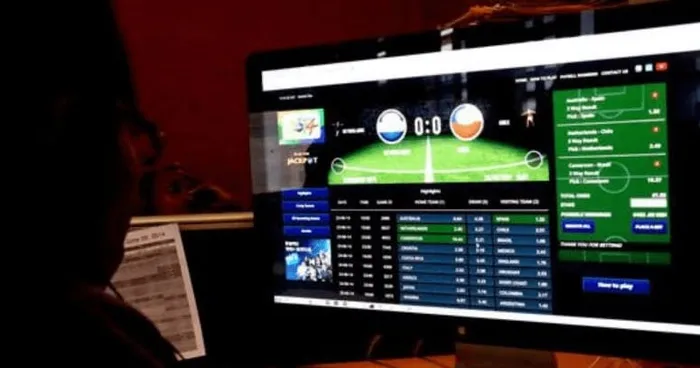
The Gambling Control Regulations, 2026, came into effect on June 30, 2026, introducing stricter compliance requirements overseen by the Gambling Regulatory Authority (GRA). The rules require operators to review their business models and operational practices. Earlier, the High Court suspended the implementation of the regulations while the case was pending.
The GRA has asked the court to lift the suspension, arguing that it has disrupted licensing, inspections, and the processing of new applications. The regulator maintains that the higher requirements are meant to ensure gambling operators have adequate financial capacity and to strengthen oversight of the industry.
The gambling firms, however, argue that complying with the new requirements before the case is concluded could cause financial losses, with no clear mechanism for refunds if the regulations are later found invalid. The High Court is now expected to decide whether the disputed regulations should proceed or remain suspended as the legal challenge continues.