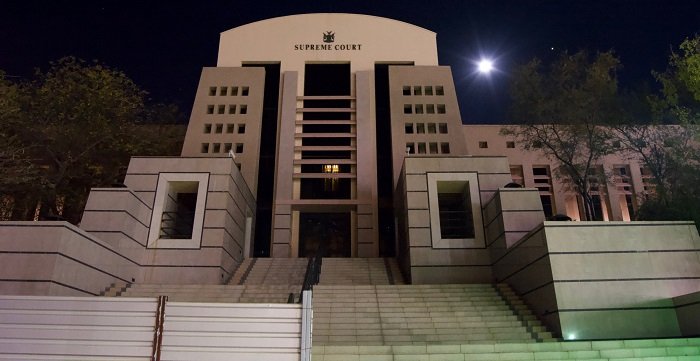
Namibia’s Supreme Court has dismissed an appeal challenging the application of gambling levies under the Gaming and Entertainment Control Act 13 of 2018, reaffirming the obligation of licensed gambling operators to pay the statutory levy while raising concerns over the prolonged failure to enforce laws against unlicensed gambling activities.
In its judgment, the Court held that the settlement order previously relied upon by the appellants could not exempt licensed operators from the levy obligations imposed under Section 62(1) of the Act or restrict the exercise of regulatory powers subsequently granted to the Minister under Section 62(2).
The appeal was brought by licensed gambling industry stakeholders challenging the legality and application of the levy framework, including the regulations governing its calculation and payment.
The appellants had also sought to compel the relevant authorities to take enforcement action against unlicensed gambling operators, arguing that illegal gambling activities should be addressed before licensed businesses were subjected to levy obligations.
However, the Supreme Court rejected this aspect of the appeal, finding that the appellants had not established a legal basis for the enforcement order they sought. The Court noted that regulatory extensions allowing certain operators additional time to regularize their activities had not been successfully challenged and therefore remained legally effective when the relief was requested.
The Court further observed that the proposed enforcement order was too broad and would effectively require the judiciary to oversee functions assigned by law to the relevant regulatory and law-enforcement authorities.
Despite rejecting the requested relief, the Court expressed concern over the continued proliferation of unlicensed gambling activities and the apparent lack of sustained enforcement over several years.
Describing the prolonged failure to enforce gambling legislation as detrimental to the rule of law, the Court directed its Registrar to bring the judgment to the attention of the Inspector-General of the Namibian Police Force for consideration by the relevant authorities.
On the gambling levy, the Court affirmed that licensed operators covered by the proceedings remained liable under Section 62(1) of the Act, read together with Regulation 29 of the applicable regulations, effective from December 1, 2021.
It clarified that the levy obligation did not depend on the prior issuance of invoices, although the absence of invoices meant that the previous order requiring payment of interest could not stand.
The Court also varied the High Court’s counter-application order, removing the first appellant, a voluntary association that did not hold a gambling license or derive income from operating gambling establishments, from the levy liability declaration. The liability remained applicable to the relevant licensed members represented in the proceedings.
On costs, the Supreme Court ruled that each party should bear its own legal expenses, recognizing that the case raised genuine constitutional questions concerning the validity and application of the gambling regulatory framework.
The judgment reinforces the statutory levy obligations of licensed gambling operators while drawing attention to the need for more consistent enforcement against unauthorized gambling activities in Namibia.
It also highlights the distinction between regulatory obligations imposed on licensed operators and the separate responsibility of public authorities to investigate and address illegal gambling operations.