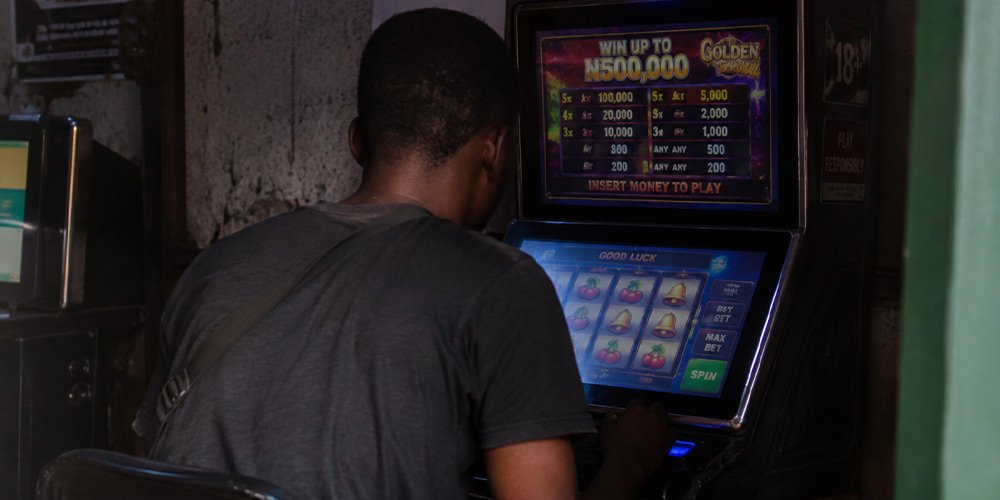
More than half of working South Africans gamble, with some turning to gambling as a way to cope with rising living costs and financial pressure.
This is according to the Old Mutual Savings and Investment Monitor 2026, which found that 53% of working South Africans gamble. The survey also found that 42% of gamblers often gamble in the hope of covering expenses or paying off debt.
The findings highlight growing concerns about the relationship between gambling and financial stress in South Africa. Sports betting is the most popular form of gambling among South Africans surveyed.
According to the report:
- 63% of gamblers participate in sports betting.
- 46% play slots.
- 42% take part in lottery games.
- 26% play casino table games.
- 11% bet on horse racing.
The figures show the strong position of sports betting in South Africa’s gambling market. The survey also found a sharp increase in the number of people who say gambling has caused them financial difficulties. The proportion rose from 12% in 2025 to 22% in 2026.
This means the share of working South Africans reporting financial problems linked to gambling has almost doubled in one year. The report described the increase as a significant concern. Gambling to cover everyday expenses or debt is particularly common among lower-income earners.
Among people earning between R8,000 and R14,999 per month, 52% said they often gamble in the hope of generating money to help cover expenses or debt. The figure is significantly higher than the overall rate of 42%.
The findings suggest that financial pressure may be influencing gambling behaviour among some lower-income households. The gambling figures come as South African households continue to face higher living costs.
Inflation reached 5% in June, with transport, housing, and utility costs among the main contributors to the increase.
As household budgets become tighter, some consumers may view gambling as a potential source of additional income.
However, the survey’s findings indicate that this behavior can create further financial difficulties for some people. The growing number of people gambling to manage expenses or debt highlights the risks of treating gambling as a way to generate income.
While sports betting and other forms of gambling remain popular, the increase in gambling-related financial difficulties raises concerns about the impact of financial stress on gambling behaviour.
The Old Mutual findings underline the importance of financial education, responsible gambling measures, and greater awareness of the risks associated with gambling as a means of meeting household expenses.