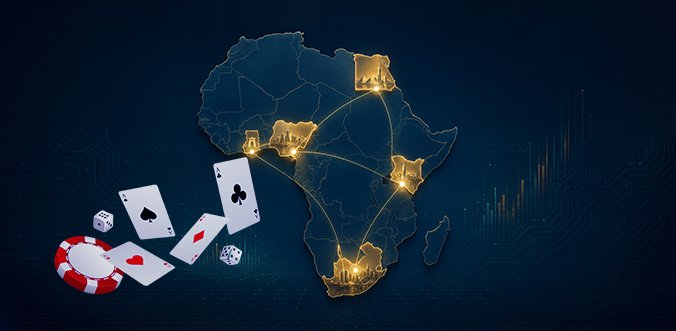
Africa technology revolution is no longer a future story – it is happening now. Across the continent, governments, entrepreneurs, investors and global technology firms are accelerating digital transformation at an unprecedented pace. The latest rankings of Africa’s fastest – growing technology ecosystems highlight a continent increasingly positioning itself as a global innovation hub.
Leading the list is Nigeria with an impressive growth rate of 38.2 percent, followed by Kenya (32.4 percent), Egypt (28.7 percent), South Africa (24.5 percent), Rwanda (22.1 percent), Ghana (19.8 percent), Ethiopia (18.3 percent), Morocco (17.6 percent), Senegal (15.9) and Tanzania (14.2 percent). What is striking is that these countries represent a blend of established technology powerhouses and emerging digital economies, each leveraging unique strengths to drive growth.
Why Nigeria Remains Africa’s Technology Giant
Nigeria’s position at the top is hardly surprising. Home to Africa’s largest population and one of its most vibrant startup ecosystems, the country has produced successful fintech companies. Lagos has become a magnet for venture capital, attracting significant investment in fintech, e-commerce, digital payments, logistics and artificial intelligence. The country’s youth population. Entrepreneurial culture and growing digital adoption continue to make it one of Africa’s most attractive technology markets. Despite infrastructure and regulatory challenges, Nigeria’s scale remains its greatest advantage.
Kenya’s Innovation Leadership
Often referred to as Africa’s ‘’Silicon Savannah’’, Kenys continues to lead in digital innovation. The country’s success stems largely from its pioneering mobile money ecosystem, strong start up culture and supportive innovation infrastructure. Nairobi has become one of Africa most important technology hubs, attracting investors looking for scalable solutions in fintech, agritech and digital services. Kenya’s reputation for innovation continues to attract both local and international capital.
Egypt and South Africa: Regional Powerhouses
Egypt’s rapid growth reflects the country’s large consumer market, strategic geographic position and increasing government support for digital transformation. South Africa remains Africa’s most mature technology market. While growth rates may be lower than some emerging ecosystems, the country continues to dominate in venture funding, technology infrastructure and enterprise innovation. Together, Egypt and South Africa provide critical gateways connecting African technology companies to global markets.
The Rise of Emerging Ecosystems
Countries such as Rwanda, Ghana, Ethiopia, Senegal, Morocco and Tanzania are increasingly challenging traditional technology leaders. Rwanda has become synonymous with innovation-driven governance and digital transformation. Ghana continues to attract startups due to its stable business environment and growing digital economy.
Ethiopia’s economic reforms and expanding internet access are unlocking new opportunities while Morocco and Senegal are emerging as important hubs in North and West Africa respectively. These countries are proving that technology growth is no longer limited to Africa’s largest economies.
Which Regions Are Winning?
A closer examination reveals that West Africa remains the continent’s dominate technology region led by Nigeria, Ghana and Senegal. East Africa follows closely. Powered by Kenya, Rwanda, Ethiopia and Tanzania. North Africa continues its rise through Egypt and Morocco while Southern Africa maintains influence through South Africa’s mature ecosystems. The regional diversity of the rankings demonstrates that Africa’s technology growth is becoming increasingly broad-based rather than concentrated in a handful markets.
The Benefits of Technology Leadership
The advantage extends far beyond startup funding. Growing technology ecosystems attract foreign direct investment, create high-value jobs, stimulate entrepreneurship, improve financial inclusion and accelerate digital transformation across multiple sectors. Technology also strengthens national competitiveness by enabling innovation in healthcare, education, agriculture, financial services and government operations. For many African countries, technology is becoming a critical driver of economic diversification and long-term growth.
Looking Ahead
The next decade could redefine Africa’s position in global technology landscape. Nigeria, Kenya, Egypt and South Africa are likely to remain dominant forces due to their scale, talents pools, and investor interest. However, emerging ecosystems such as Rwanda, Ghana, Ethiopia, Morocco and Senegal are rapidly building the foundation required to compete at the highest level.
A articial intelligence, fintech, digital commerce, cloud computing and data infrastructure continue to expand, the countries investing aggressively in digital innovation today will likely become Africa’s economic leaders tomorrow. The race is no longer about catching up with the world. It is about determining which African nations will lead the continent’s digital future.