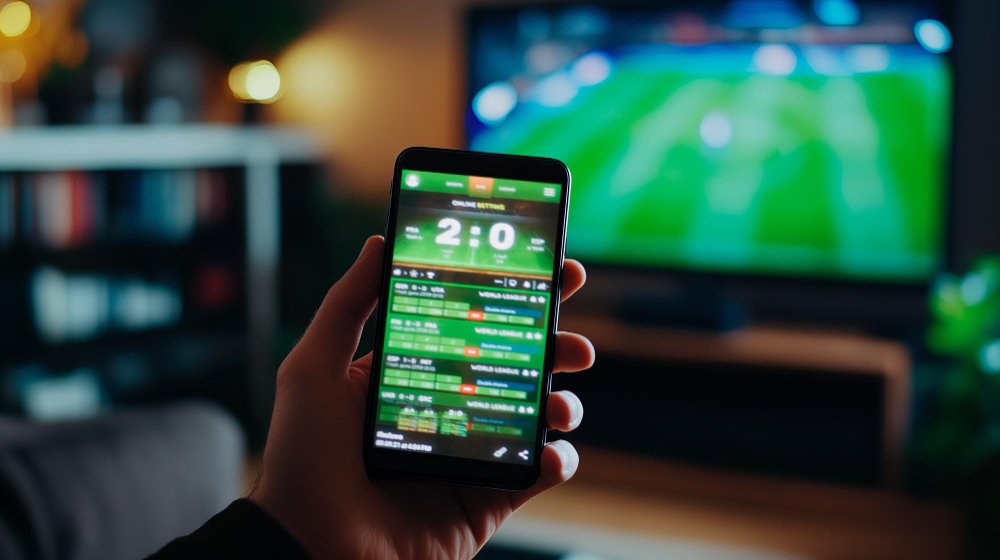
Back in the old days when cell phones had not been invented yet, online betting at sportsbooks was unavailable to the majority of South Africans who didn’t own a desktop computer or have a means of transport to go to a land-based casino.
However, that has all changed now that almost 95% of the population owns a cell phone. This means there has been a huge surge in online betting due to sportsbooks and casinos being available 24/7 via mobile sites and online apps.
Sites like Casino.com South Africa that help players compare licensed casinos and sportsbooks before they sign up have become part of how many South Africans approach betting for the first time. They also educate players on understanding the odds and terms and conditions of the gambling sites, so they have some knowledge before jumping in.
This means that there are millions of South Africans gambling online, and many of these gamblers are struggling to stop gambling. Some do it for the enjoyment and pleasure of winning, but others do it out of desperation in the hopes of winning enough money to pay their mortgages or other bills.
National Gambling Board’s Statistics
According to the National Gambling Board, phone calls to the National Responsible Gambling Programme (NRGP) increased from an estimated 140,000 calls to over one million in a single year.
Referrals for formal treatment also jumped from 4,166 people to 5,000 people in one year. The sad part is that behind those figures are real people who are facing serious debt problems, being evicted from their houses and ruining relationships as a direct result of their gambling.
Why the Numbers are Climbing
Experts say there are several reasons why these numbers are climbing so rapidly. Sports betting now makes up the majority of the country’s gambling market, and its fast pace, especially with in-play betting during live matches, can make it harder for players to take a break or stop and think before placing their next bet.
There are economic pressures too, as many households do not have enough income to cover their expenses, so they turn to gambling in the hope of supplementing their income. It is no longer a form of entertainment but a means to a financial solution in some gamblers’ eyes. This is a mindset that mental health professionals warn against as extremely risky.
Added to this is social media, as gambling ads are no longer just appearing on television but are now on Instagram, TikTok and YouTube. Influencers play a big part in this aspect as they falsely make gambling look like it’s all about winning and depict a luxurious lifestyle which is far from reality. Younger South Africans in particular are being exposed to social media ads, and treatment providers say this group looking for help is growing rapidly on a year-to-year basis.
The Case for Education and Early Intervention
As the market keeps expanding, responsible gambling education is becoming a very important aspect in the online gambling loop. The NRGP already runs school outreach programmes and public awareness campaigns, but experts argue that operators, regulators, and even the general public all have a role to play in catching problem gambling early, before it turns into a crisis.
The warning signs are often visible before someone reaches out for help. Some of the warning signs to look out for are the following:
- Players spending more time gambling than they originally intended
- Hiding their gambling activity from friends and family
- Chasing losses
- Feeling anxious or guilty after a gambling session
- Taking time off work to gamble
- Being unable to pay debts due to spending the money on gambling
- Borrowing money to gamble
Player-Protection Tools Are Becoming Essential
Casinos and sportsbooks are now expected to build safeguards directly into their platforms. These are tools that allow the player to set deposit limits, self-exclude themselves for a time period or permanently, reality checks to see how long they have been playing for and links to gambling support services. These are now becoming standard features rather than optional extras.
South Africa’s self-exclusion programme, run in partnership with the NRGP, already allows anyone to opt out of gambling activity for a defined period while they are receiving free counselling. The counselling is also confidential, so players don’t need to worry about their friends and family finding out if they approach any of these gambling help organisations.
Anyone affected by problem gambling in South Africa can contact the National Responsible Gambling Programme for free, confidential counselling, available in all eleven official languages.