SportyTV has done what most betting brands spend fortunes trying to achieve: capture attention at extraordinary scale. Now comes the harder part. The World Cup has delivered the audience, the engagement and potentially valuable behavioral data.
The question is no longer whether Sporty can attract football fans. It is what SportyBet does next. Sporty has played that game intelligently by letting competitors know that: football is not just a betting product. It is an attention business.
During the 2016 FIFA World Cup, SportyTV reportedly generated more than 920 million views across YouTube and social platforms, with more than 10 million unique YouTube viewers. Its mobile application surpassed 10 million downloads, while more than 15% of those downloads came during the World Cup. TikTok generated more than 320 million views and 400, 000 new followers while Facebook generated another 320 million-plus views.
This is not ordinary sport marketing.
It is a remarkably aggressive attempt to own the football conversation rather than simply advertise inside it. Sudeep Ramnani and his team at Sporty deserves praise for this ingenuity. However, here comes the uncomfortable question: What does SportyBet do with all that attention? Reason been that views are not customers. Downloads are not deposits. Followers are not lifetime value. The real opportunity is to turn SportyTV from a media success into a customer acquisition and retention machine from the wider Sporty ecosystem.
1. Turning Viewers into Identifiable Football Fans
SportyTV should build a consent based Sporty Fan ID. A viewer who repeatedly watches Arsenal content, follows Nigeria matches, consumes Champions League analysis or watches betting related football content is generating valuable behavioral signals. With appropriate privacy safeguards, Sporty can use those signals to understand the interests of its audience. The objective should not be to immediately push betting.
It should be:
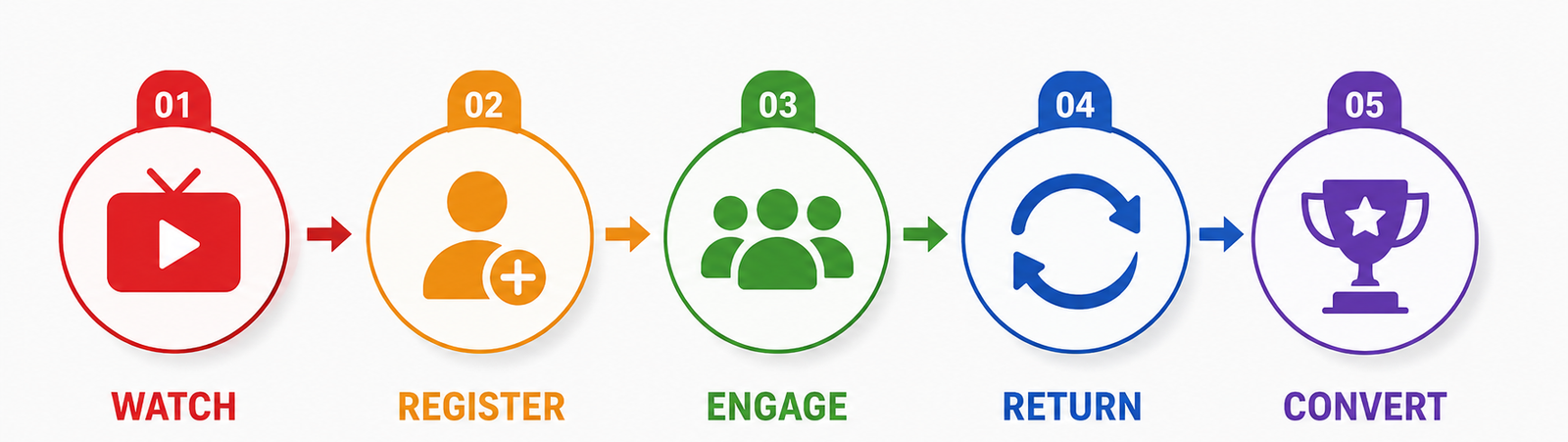
The world Cup brought the audience, SportyTV should keep the relationship alive.
2. Turn Content into Acquisition
Imagine SportyTV producing a post-match programme that includes player statistics, tactical analysis, fan polls, predictions and interactive competitions. A viewer participates. That participation creates an opportunity to introduce relevant Sporty products where legally permitted and with responsible gaming safeguards. This is potentially much more powerful than a conventional billboard or television advertisement.
Why? Because the customer is already engaged with football. Sporty isn’t interrupting the customer’s football experience. It is becoming part of it.
3. Make Retention the Real KPI
World Cup viewers should be migrated into ongoing content around the premier League, Champions League, AFCON, domestic African leagues, NBA and other sports. Here, personalization becomes critical. A Chelsea fan should not receive the same content as a Barcelona fan. A Nigerian football enthusiast should receive different content from a basketball fan in South Africa.
The objective is simple: Don’t let the World Cup audience go home.
4. Monetize the Relationship. Not Just the Bet
Sporty should also think beyond betting revenue. The same audience can potentially generate value through advertising, sponsorship, premium content, sports partnerships, data products and other digital servicers. That creates a potentially powerful ecosystem:
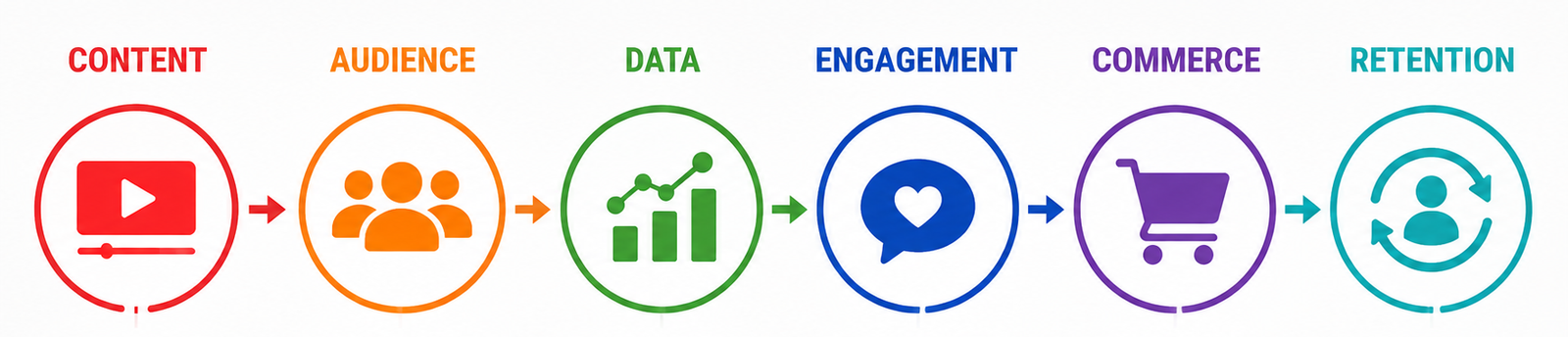
The betting product becomes one monetization layer rather than the entire business model.
5. Measure the Billion-Dollar Question
Sporty should create an internal dashboard specifically measuring the economic value of SportyTV. The numbers investors eventually want to see are:
- Cost per acquired customer.
- Registration-to-first-
transaction conversion. - 30/90/180-day retention.
- Average revenue per customer.
- Customer acquisition cost versus lifetime value.
- Incremental revenue generated by SportyTV users.
This is where the story gets really interesting. Reason is because, if SportyTV can demonstrate that its media operation lowers SportyBet’s customer-acquisition cost and increases customer lifetime value, then SpotyTV stops being merely a broadcasting investment. It becomes a strategic competitive advantage.
The Bigger Bet
SportyTV attacked fragmentation with free and affordable access, television, YouTube, mobile and social distribution. The result was extraordinary audience growth. Now comes the harder part. Can Sporty turn attention into ownership of the customer relationship?
If it can, Sporty will build something competitors cannot easily copy: a media-to-commerce ecosystem in which the broadcaster acquires the fan, the platform understands the fan and the wider Sporty ecosystem monetize the relationship. That would make the World Cup numbers more than impressive marketing statistics. They would become evidence of a new customer acquisition model for African betting.
SportyTV have already won the attention war. Now SportyBet has to prove it can win the economics and that may be the most important bet Sporty has made yet.