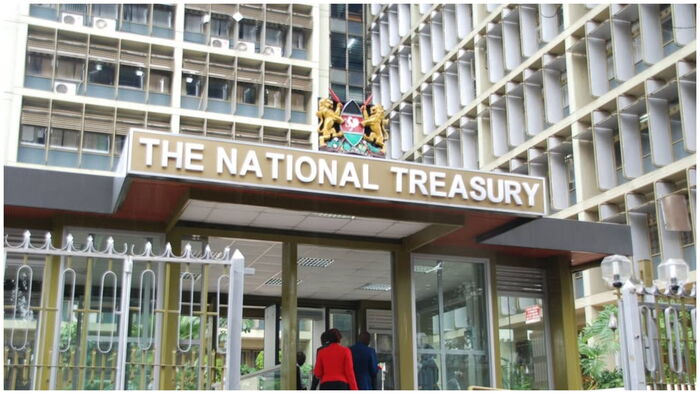
Treasury Cabinet Secretary John Mbadi has finally submitted the much-awaited Finance Bill 2026 to Parliament, which introduces a wide range of taxes affecting the second-hand clothing industry, importation of mobile phones, and gambling activities, among others.
According to the bill reviewed by Kenyans.co.ke, the government has introduced a higher excise duty on mobile phones and communication devices, with smartphones and related devices now set to attract a 25 per cent excise duty. This change is expected to raise the cost of imported phones, as excise duty will now be charged when a phone is activated, not at the point of import or purchase.
Industry analysts note that this shift could significantly affect pricing strategies for retailers and reduce consumer access to affordable devices, especially in low-income segments. In the clothing industry, the government has proposed a raft of changes affecting the critical and contentious mitumba industry with a new tax on worn clothing, footwear, and other second-hand imports.
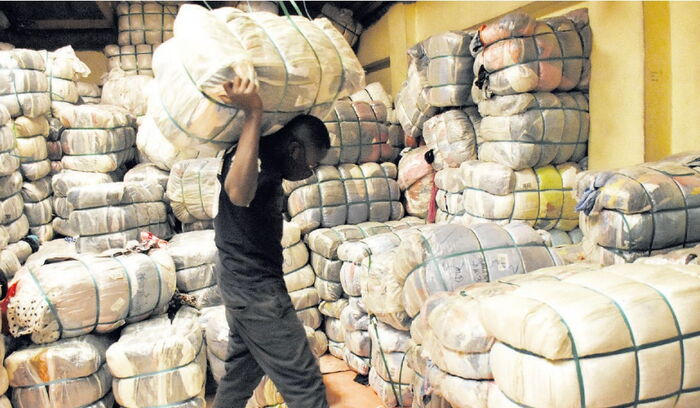
The bill introduces a deemed profit approach where 5 per cent of the customs value of imported mitumba goods will be treated as taxable income, payable at the point of importation. This means that the new law will be shifting the tax burden from traditional import duties and VAT to a direct income-based tax on traders. Stakeholders in the sector have raised concerns that this could increase operational costs and potentially lead to higher retail prices for second-hand clothing.
“Notwithstanding any other provision of this Act, a tax shall be payable by a person in respect of income derived from the importation into Kenya of worn clothing, worn footwear, and other worn articles classified under tariff heading 6309,” the bill reads in part.
In the betting industry, gamblers will now be subject to tougher taxation, with winnings now set to be subject to a 20 per cent withholding tax. At the same time, the definition of taxable deposits in betting accounts has now been expanded to cover all funds for gambling purposes.
This means that the bill broadens the tax base on betting by treating all money deposited for gambling as taxable, not just specific account credits or defined transactions, effectively increasing the scope of taxable betting funds. Experts warn this could discourage participation in the betting sector while increasing government revenues.
Further, companies operating digital payments and financial technology payment systems, card networks, and digital platforms will now fall under expanded definitions of royalties, meaning more transactions and service fees will be taxed. This is likely to impact fintech innovation and could result in higher transaction costs for users.
Virtual asset service providers will be required to submit detailed annual reports on user transactions, with the government also planning international agreements for automatic sharing of crypto-related tax information, signalling tighter oversight of the digital asset space.
In a bid to protect the environment and evolve with the debate around climate change, the Treasury has proposed a 10 per cent tax adjustment on plastic products, 5 per cent on coal, and new adjustments to alcohol, tobacco, and sugar-related products such as soft drinks. Environmental groups have welcomed the move but caution that enforcement will be key.
Fruit juices are now set to attract a per-litre excise duty of between Ksh14 and Ksh20, depending on sugar content, while vegetable juices and similar beverages are brought under a similar framework. These measures are expected to promote healthier consumption habits, alongside generating additional government revenue from industries such as gambling and betting industry.